


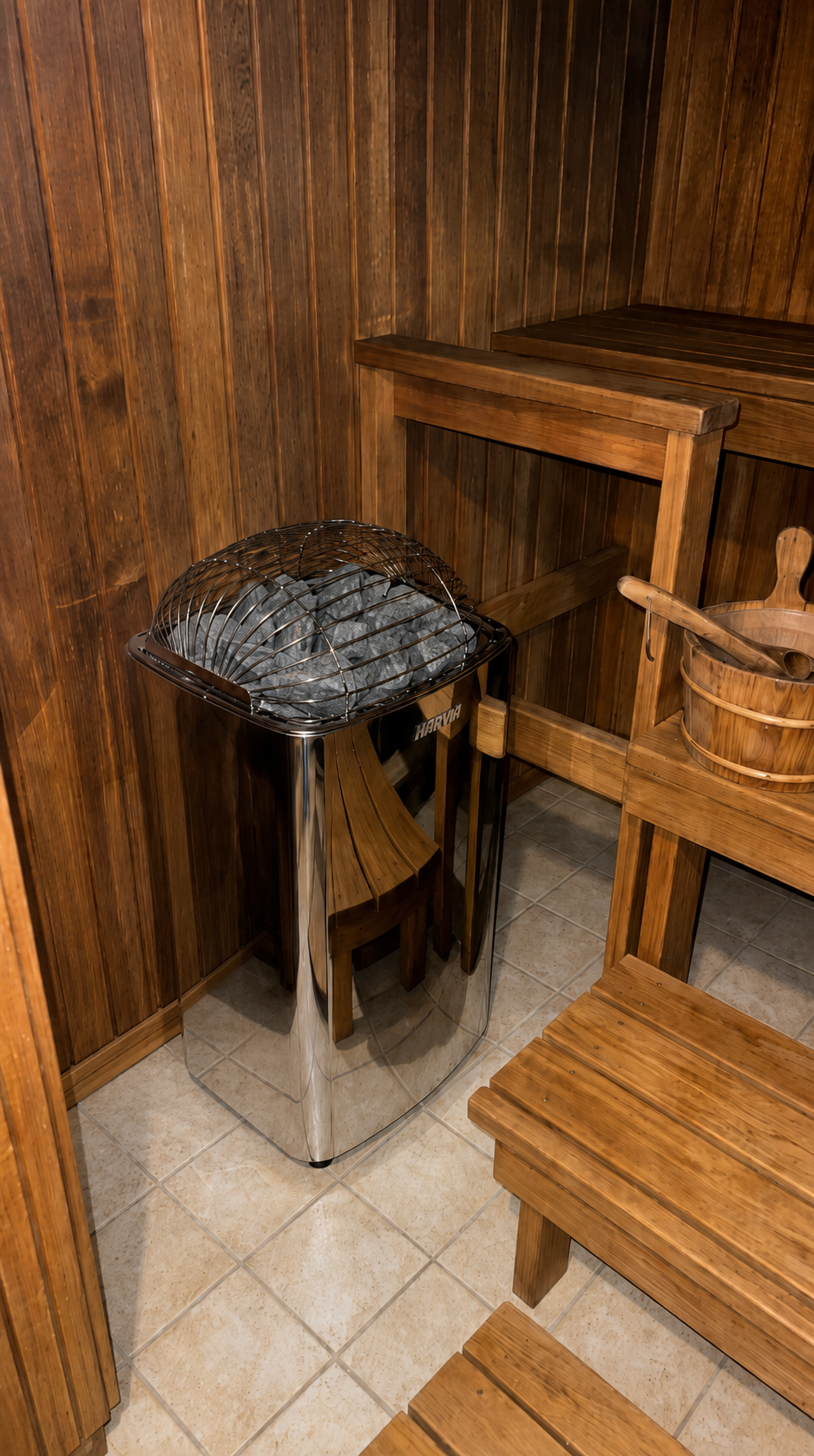

Some older adults may enjoy sauna use, but the right sauna type and temperature vary from person to person. Mayo Clinic describes infrared sauna as a possible relaxation option, while the CDC notes that adults 65 and older are more vulnerable to heat-related health problems. Your health, medications and ability to enter and leave safely should guide the decision.
For shoppers, our recommendation is to compare adjustable heat, clear controls, comfortable seating and easy entry before choosing a sauna type. These purchasing criteria help compare sauna options but do not establish medical suitability for a specific person.
In this guide
Are saunas safe for seniors?
Age alone cannot determine whether a sauna is suitable. The CDC explains that older adults may adapt less effectively to temperature changes, have conditions that affect their response to heat, or take medicines that interfere with temperature control and sweating. The guidance addresses heat exposure in general, rather than a specifically tested sauna protocol.
Before starting, discuss sauna use with your clinician, especially if you have heart disease, blood pressure concerns, kidney disease or a prescribed fluid restriction. Discuss appropriate session duration, temperature limits, hydration needs, and symptoms that indicate you should stop. Harvard specifically advises medical consultation for people with heart disease or uncontrolled high blood pressure.
Which type of sauna is best for seniors
Choose according to heat tolerance, access and clinician advice. Mayo Clinic explains that infrared saunas heat the body directly and can produce sweating and a higher heart rate at lower temperatures than traditional saunas. This does not establish that infrared is safer for every older adult.
| Sauna type | How to compare it | Important limitation |
|---|---|---|
| Infrared | Consider if you prefer lower air temperatures. Confirm the actual operating range and controls. | Lower air temperature is not individual medical clearance. |
| Traditional electric | Consider if you prefer a heated room and sauna stones. Check controls and entry layout. | Heat settings must suit the user; hotter is not a goal. |
| Traditional wood burning | Consider whether managing a fire, fuel and maintenance suits your household. This is our practical buying assessment. | A wood fired model has no established senior-specific medical advantage in the sources reviewed. |
We do not name a universal best model because the medical sources do not rank products for seniors. A suitable shortlist should be based on manufacturer specifications and the intended user's needs.
What benefits are supported by evidence
Relaxation
Mayo Clinic identifies infrared sauna as an option to consider for relaxation. This should be viewed as a potential comfort benefit, not as a proven treatment for depression, anxiety, or insomnia.
Heart health and circulation
Harvard Health reports that population studies associate regular sauna use with better heart outcomes, but the relationship may reflect other differences between sauna users and nonusers. Its newer review describes mixed results from randomized studies of passive heating. Sauna use should complement, rather than replace, appropriate exercise or medical care.
Sauna heat may support cardiovascular health and help maintain healthy blood pressure. It increases heart rate and promotes sweating, triggering physiological responses similar to those that occur during exercise. Sauna exposure may also stimulate the release of anti-inflammatory compounds.
Temporary joint comfort
Mayo Clinic says heat treatments such as warm baths and heating pads can temporarily relieve joint pain. This supports the use of heat for comfort, but it should not be interpreted as evidence that saunas can repair joint damage, prevent muscle loss, or treat arthritis in seniors. Ask your healthcare provider which option best fits your needs.
For people with rheumatoid arthritis or ankylosing spondylitis, research suggests that sauna use may help ease pain and stiffness. Sauna use may help relieve chronic pain, including back pain. Dry and infrared sauna heat may help increase blood flow to muscles and relax muscle spasms, potentially providing temporary relief from discomfort.
Reduce the Risk of Dementia and Alzheimer's Disease
A study suggests that regular sauna use may be associated with a lower risk of dementia and Alzheimer's disease. However, further research is needed to confirm these findings.
Sauna use may also support cognitive function, although the physiological mechanisms behind these potential benefits are not yet fully understood.
Maintaining a consistent sauna routine can be an effective way to complement other habits that promote healthy aging and cognitive wellness.
Support Lung Function
For people with asthma or chronic obstructive pulmonary disease (COPD), research suggests that sauna use may offer potential benefits for lung function and respiratory health, although further research is needed to confirm these effects.
The warm, humid air in a wet sauna may help keep the respiratory tract moist and make mucus easier to clear through coughing. However, sauna heat and humidity can worsen symptoms in some people, particularly those sensitive to temperature changes. Anyone with a respiratory condition should consult their healthcare provider before using a sauna.
When used with appropriate medical guidance, sauna sessions may complement other habits that promote respiratory comfort and overall well-being.
Help Manage Psoriasis Symptoms
A study has explored the potential effects of sauna use on psoriasis, including its impact on flare-ups and the severity of skin plaques and patches. However, evidence supporting these benefits remains limited, with little research available beyond anecdotal clinical observations. Sauna use can be worth exploring as a complementary wellness practice alongside established psoriasis treatments.
Support Immune Function
Some research suggests that regular sauna use may help reduce the occurrence of common colds and other respiratory infections. Sauna sessions may also support the body's natural defense mechanisms as part of a healthy lifestyle.
Limits of the evidence
Mayo Clinic notes that larger, more precise studies are needed to establish proposed sauna benefits for chronic conditions. Evidence from one sauna type or study population should not automatically be applied to all older adults.
Sauna safety tips for older adults
Start with a short session
Harvard's newer heart-health guidance recommends starting with just five minutes and monitoring how you feel. Its general sauna safety guidance advises limiting sessions to 15 to 20 minutes. For older adults, this should be treated as an upper limit rather than a goal or guarantee of safety. Depending on your health, your clinician may recommend shorter sessions or avoiding sauna use altogether.
Choose temperature individually
There is no established temperature that can be considered safe for every senior based on the sources discussed. Consult your clinician about an appropriate starting point and follow the sauna manufacturer's operating instructions. Comfort and safety should take priority over meeting a temperature, time, or sweating goal.
Review medications and your fluid plan
CDC guidance identifies several medicines that can increase heat-related harm, including diuretics and some blood pressure medicines. Ask your clinician or pharmacist to review prescription and over-the-counter products. Do not stop or change a medicine on your own. This is general heat guidance, not a sauna-specific medication schedule.
Replace lost fluids according to your personal care plan. If your clinician limits fluids or you take water pills, ask how much to drink rather than following a generic water target.
Avoid alcohol and cool down gradually
Harvard advises avoiding alcohol, skipping the sauna when ill and cooling down gradually afterward. Do not treat an immediate cold plunge as a required part of sauna use.
Leave promptly if you feel unwell
Stop the session and move somewhere cool if you become dizzy, lightheaded or excessively hot. Johns Hopkins Medicine lists confusion, seizures and loss of consciousness among signs of heat stroke, which requires urgent treatment.
What to check before buying a home sauna
The following checklist is our purchasing guidance, not a medical certification or a claim that every product includes these features. Ask for manufacturer documentation before ordering.
- Entry: Check the threshold, door opening and route to the sauna against the user's mobility needs.
- Seating: Confirm bench dimensions, sitting comfort and space for any assistance the user needs.
- Controls: Look for a readable display and controls the user can reach and operate comfortably.
- Temperature and timer: Verify the operating range, timer functions and instructions for stopping heat.
- Installation: Confirm electrical requirements, ventilation and heater clearances with the manufacturer and installer.
- Layout: Plan for lighting, stable footing, contact with hot surfaces and a clear exit. If assistance is needed, discuss supervision with the care team.
Frequently asked questions
Is infrared sauna better for seniors?
Infrared may appeal to people who prefer lower air temperatures. Mayo Clinic describes this difference, but it does not establish infrared as the safest choice for all seniors.
How long should seniors stay in a sauna?
Consult your healthcare provider to determine a suitable session length. Harvard recommends starting with five minutes, while its general guidance advises a maximum of 15 to 20 minutes. Older adults should not treat this upper limit as a target, as individual health needs may require shorter sessions or avoiding sauna use altogether.
Can seniors use a sauna with high blood pressure?
Get individual advice, especially if blood pressure is uncontrolled or you take medication. Harvard notes that blood pressure can rise or fall during sauna use.
Can a sauna replace exercise?
No. Harvard recommends using a sauna as an addition to exercise, rather than a replacement. An increased heart rate does not establish equivalent fitness benefits.
How do I choose a home sauna for an older adult?
Start with medical suitability, then compare access, seating, controls and installation requirements. Contact SaunaHeaters.com with your available space and preferred sauna type so that we can help compare specifications. Your clinician should advise on medical suitability.