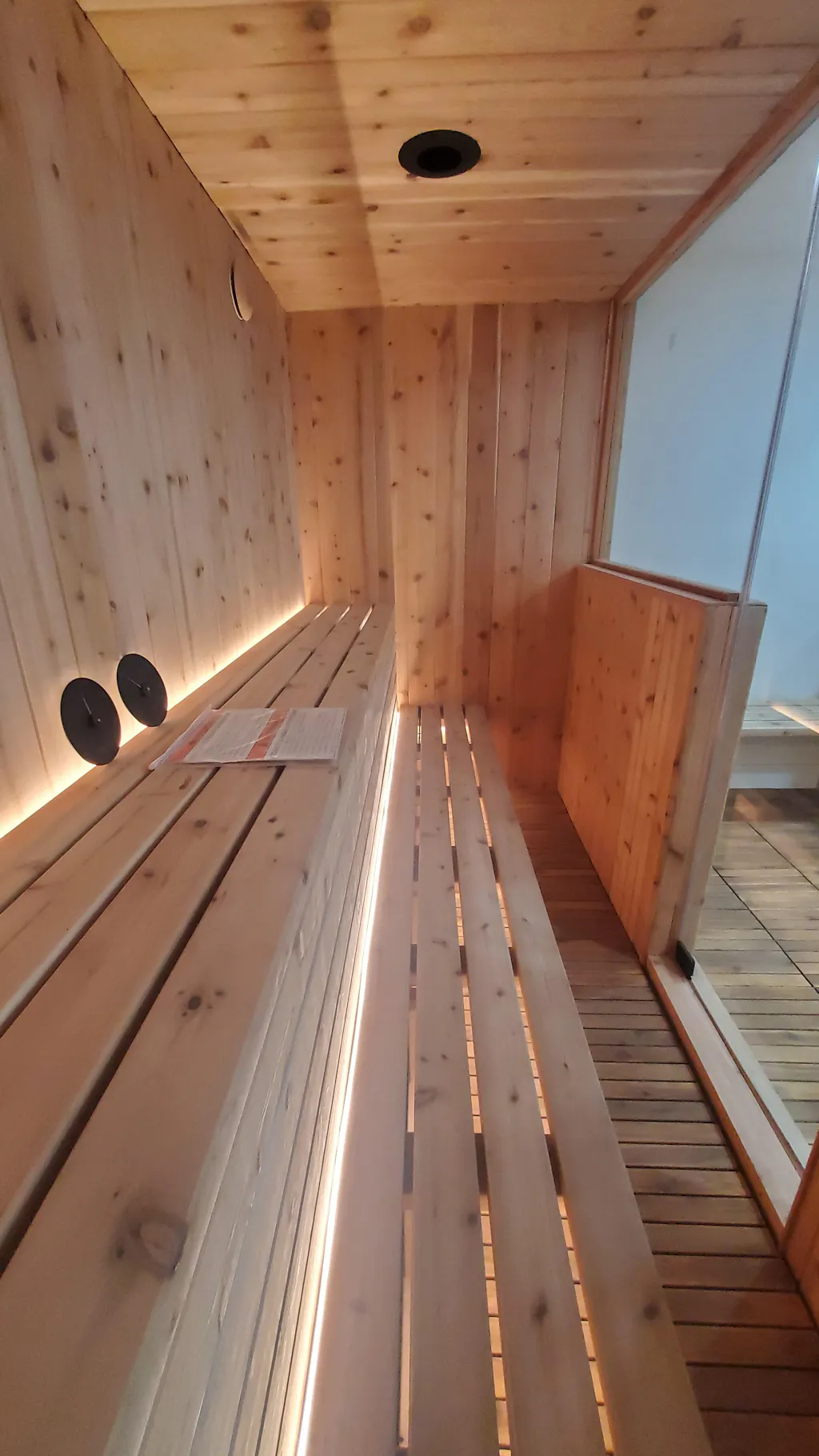
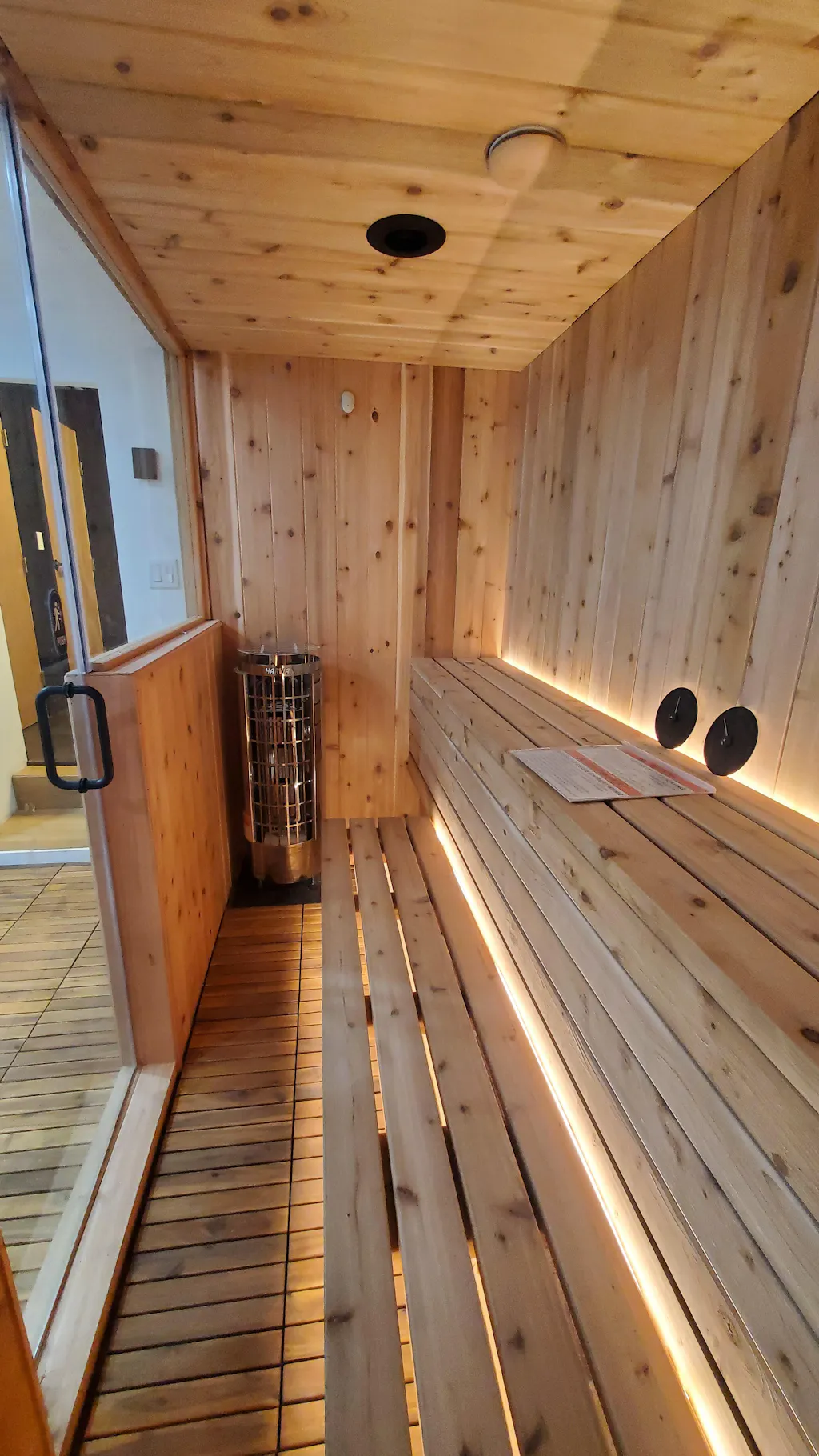
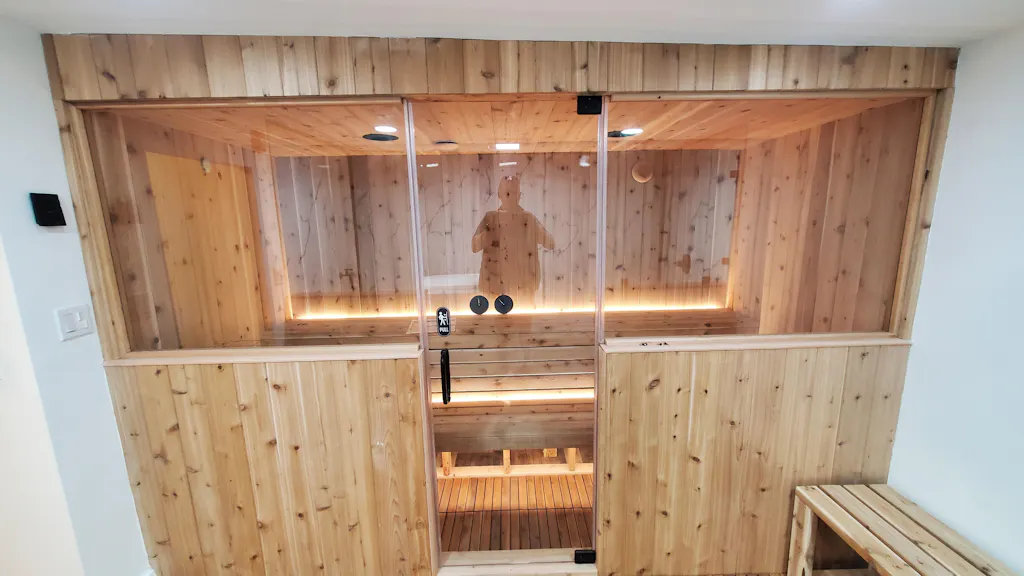
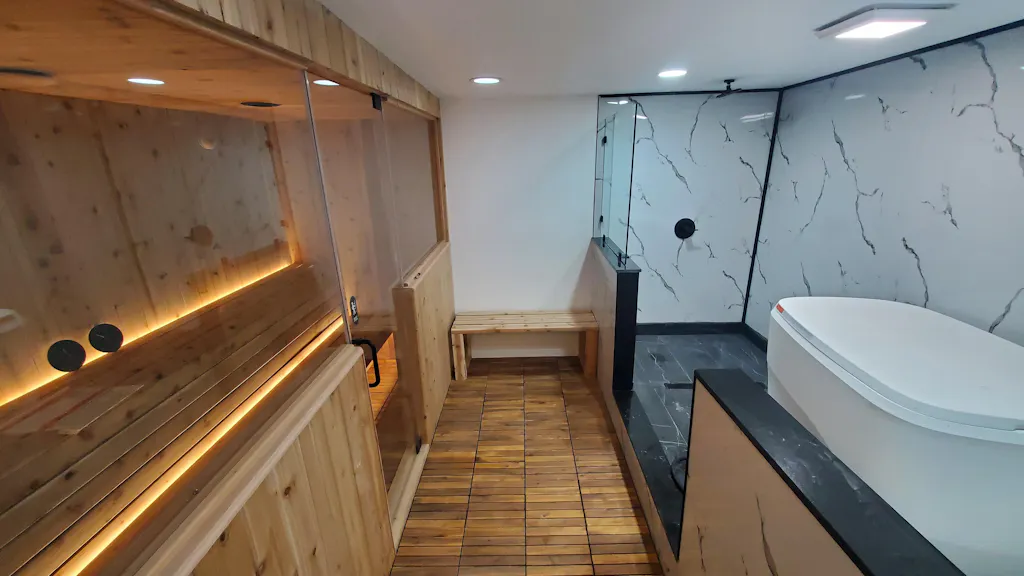
The sauna world has effectively settled into two distinct philosophies, infrared and traditional, and the conversation about which approach is better continues to spark real interest and debate. Both deliver real health benefits, but they work differently, feel different, and suit different people and spaces. A better decision comes from first getting a clear picture of how each option operates.
How Each Sauna Type Works
Before comparing them, it helps to understand how each sauna type actually generates heat and what that means for the body in the context of infrared sauna vs traditional sauna.
Traditional Sauna
A traditional sauna, rooted in Finnish culture for centuries, heats the air inside the room using a heater loaded with stones.
- Typical temperature range: roughly 150°F to 195°F
- Pouring water over the heated stones produces steam and increases humidity
- This creates an intense, enveloping heat central to the traditional Finnish sauna experience
- The environment feels immersive and powerful, prompting a quick physical response to the high ambient temperature
Infrared Sauna
An infrared sauna works differently, using infrared panels to heat the body directly rather than warming the surrounding air.
- Infrared light penetrates the skin, generating heat from within
- The ambient temperature stays lower, typically around 110°F to 140°F
- Despite the cooler air, the body produces a deep, sustained sweat
- The heat targets tissues more directly instead of just warming the surface
- A more comfortable, accessible option for those who find traditional sauna heat too intense
Infrared vs Traditional Sauna: Health Benefits Compared

Both sauna types support health in meaningful ways. The infrared vs traditional sauna health benefits largely overlap, though the mechanisms differ.
Benefits shared by both:
- Improved cardiovascular circulation
- Muscle relaxation and reduced soreness post-exercise
- Stress reduction and lower cortisol levels
- Improved sleep quality with regular use
-
Skin health benefits from increased sweating
Where they diverge slightly is in the depth of heat penetration. Since infrared heat works at a tissue level, some users report better results for joint pain and deep muscle recovery. Traditional saunas, with their higher ambient temperatures, tend to produce a more intense cardiovascular response and a stronger sense of physical purging. The kind of deep sweat that fans of the traditional Finnish sauna specifically seek.
Sauna for Weight Loss
Sauna for weight loss is a common topic, and it’s important to be clear about what actually happens. Both infrared and traditional saunas lead to noticeable weight drops due to heavy sweating, which reflects fluid loss rather than fat reduction. While there is some calorie burn during a session, it remains relatively small.
That said, regular sauna use supports weight management indirectly. Lower stress hormone levels, improved sleep quality, and more effective post-exercise recovery together support a more balanced and efficient metabolism. How often to use infrared sauna for weight loss or traditional sauna for weight loss is less about frequency and more about pairing it consistently with an active lifestyle. A schedule of two to four sessions per week is generally manageable and effective for most individuals.
Infrared Sauna Temperature vs Traditional Sauna Temperature: The Practical Difference
The temperature gap between the two types is significant and affects who can use each comfortably.
Traditional saunas reach intense temperatures, frequently surpassing 170°F, delivering an energizing experience for some while proving too intense for others to endure for long. Infrared sauna temperature vs traditional is a meaningful distinction for older adults, people with certain cardiovascular sensitivities, or anyone new to sauna use who wants to ease in gradually.
For indoor installations, the lower operating temperature of infrared saunas also reduces demands on ventilation and room preparation. A 2 person traditional sauna or larger indoor traditional sauna typically requires more structural planning than an equivalent infrared unit.
Are Infrared Saunas Safe?

It’s a common concern, and generally speaking, the answer is yes for the majority of people. Infrared saunas have been used widely for decades, and the research base is consistently positive. The lower operating temperature makes them more accessible than traditional saunas for people with mild health concerns.
A few specific considerations worth knowing:
- Are infrared saunas safe during pregnancy? Medical guidance typically advises against using any type of sauna during pregnancy because of the risk of overheating, and it’s important to consult a healthcare professional beforehand.
- People on certain medications, those with implanted devices, or anyone with a significant cardiovascular condition should check with a healthcare provider before starting regular sauna use.
-
Staying hydrated before, during, and after any sauna session is important regardless of the type.
Traditional saunas carry the same general cautions. The higher temperatures simply mean the window for safe session length is narrower.
Which Sauna Is Better — Infrared or Traditional?

The honest answer: it depends on the person. For heat intensity, steam, and the full traditional Finnish sauna experience, especially in a traditional outdoor sauna or dedicated home spa, a traditional sauna delivers something infrared simply can't replicate. For accessibility, easier installation, lower operating temperatures, and targeted deep-tissue heat, infrared is the stronger option.
Neither type is a clear winner. The right sauna is the one that fits the space, the budget, and the experience being sought, and that actually gets used week after week.
Frequently Asked Questions
Which is the best type of sauna for health?
Both type of saunas support cardiovascular health, recovery, and stress reduction. Traditional saunas produce a more intense physiological response; infrared saunas offer deeper tissue penetration at lower temperatures. For general wellness, either works well when used consistently. The best sauna is the one that gets used regularly.
Are infrared saunas energy-efficient compared to traditional saunas?
Yes, infrared saunas are significantly more energy-efficient. They operate at lower temperatures (110°F–140°F) and heat up in 10–15 minutes compared to the 30–45 minutes a traditional sauna needs, consuming roughly 1.5–3 kWh per session versus 6–9 kWh for a traditional unit. Over time, that difference adds up noticeably on an electricity bill.
Why are athletes choosing infrared saunas over traditional saunas?
Infrared heat penetrates deeper into muscle tissue than ambient hot air, which many athletes find more effective for reducing soreness and speeding up post-training recovery.
The lower operating temperature also makes it easier to stay in longer, allowing for extended recovery sessions without the discomfort of extreme heat.
Combined with the convenience of home installation, it fits more naturally into a daily training routine.
How many calories do you burn in a 30-minute infrared sauna?
A 30-minute infrared sauna session typically burns somewhere between 150 and 300 calories, depending on body weight, core temperature response, and individual metabolism. That said, a significant portion of immediate weight loss after a session is water weight from sweating rather than fat loss.
Regular sauna use supports weight management best when combined with regular exercise and a balanced diet.
How much does it cost to install an infrared sauna at home?
A home infrared sauna unit typically ranges from $1,500 for a basic 1 person sauna model to $7,000 or more for a premium 1-to-4 -person cabin with advanced features.
Installation costs are generally low since most units are pre-built, plug-in, and don't require dedicated electrical work beyond a standard 120V or 240V outlet. Ongoing operating costs are modest.
What features should you look for in a high-quality infrared sauna?
Look for full-spectrum infrared panels (near, mid, and far infrared) for the broadest range of health benefits, along with low EMF ratings to minimize electromagnetic exposure during sessions.
Quality wood construction, typically Canadian hemlock or cedar, matters for durability, heat retention, and odor resistance.
Digital controls, a built-in sound system, chromotherapy lighting, and app connectivity are worth considering based on how the sauna will be used.
What are the cons of infrared saunas?
These are some cons of infrared saunas:
- Infrared saunas don't replicate the high-heat, high-humidity experience of a traditional Finnish sauna, which some users specifically prefer and find more satisfying.
- The lower temperatures mean the cardiovascular intensity is also lower, which may limit certain physiological benefits that come from the more extreme heat of a traditional sauna.
- The long-term research on infrared saunas is growing and generally positive, but it is still less extensive than the decades of studies supporting traditional sauna use.