


I had a bunch of questions before ordering and they were very patient with me. Ended up getting exactly what I needed and the price was good too.


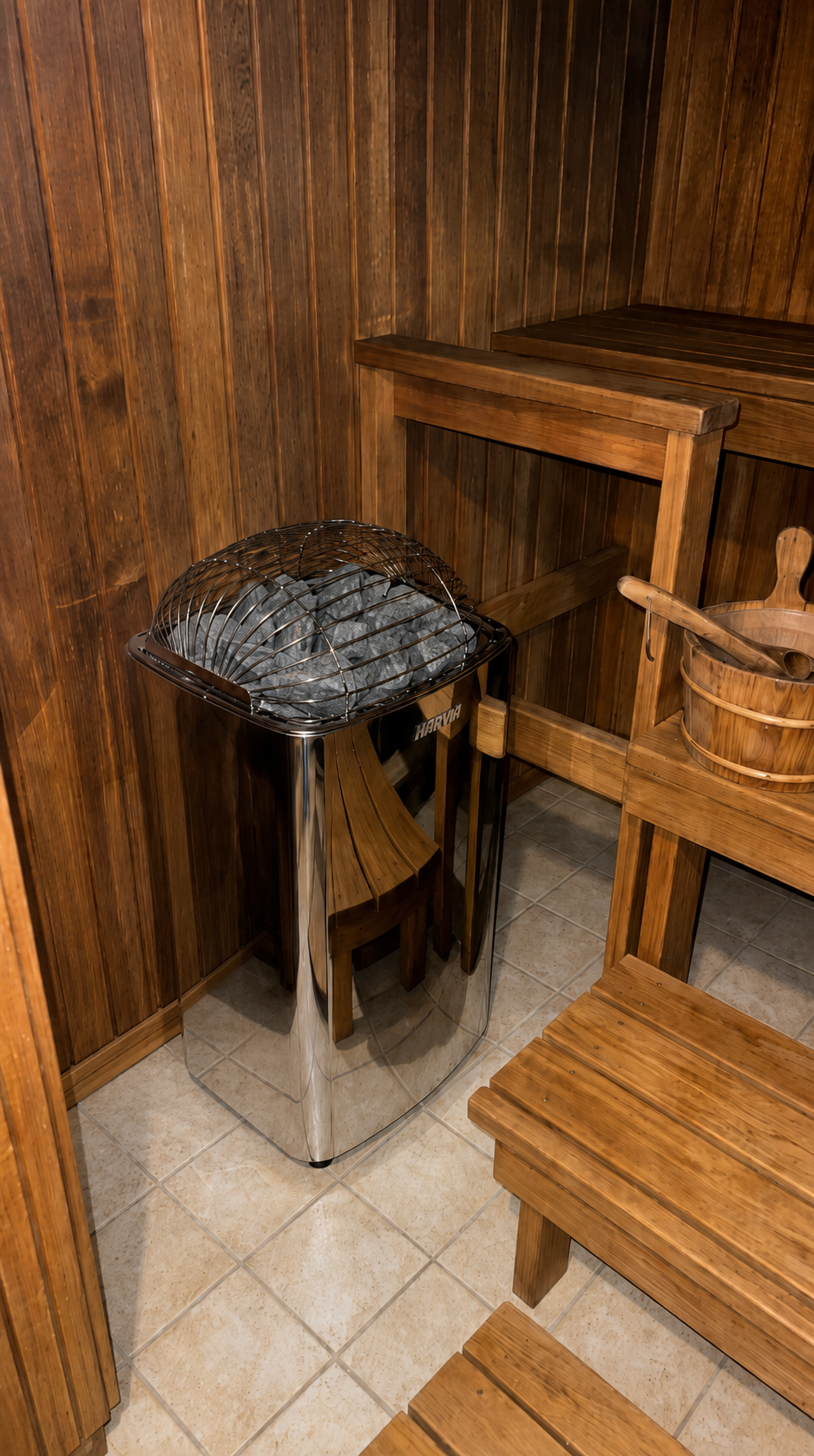
A 1 person sauna offers a practical way to enjoy the benefits of sauna bathing at home without requiring a large footprint. Available in traditional, steam, and infrared configurations for both indoor and outdoor use, these compact saunas are designed to fit a variety of spaces and preferences. From understanding heating options and electrical requirements to comparing materials, dimensions, and installation considerations, choosing the right single person sauna comes down to matching the unit to your available space, desired sauna experience, and long-term usage goals.

Golden Designs Dynamic Sicily 1 Person Ultra Low EMF FAR Infrared Sauna
Regular price
$1,399.00
Sale price
$1,399.00
Regular price
$2,999.00
Choose your option

Golden Designs Dynamic Vero 1 Person Ultra Low EMF FAR Infrared Sauna
Regular price
$1,499.00
Sale price
$1,499.00
Regular price
$3,499.00
Choose your option

Golden Designs Dynamic Avila 1-2 person Low EMF FAR Infrared Sauna
Regular price
$1,899.00
Sale price
$1,899.00
Regular price
$3,499.00
Choose your option

Golden Designs Dynamic Gracia 1-2 Person Low EMF FAR Infrared Sauna
Regular price
$1,899.00
Sale price
$1,899.00
Regular price
$3,499.00
Choose your option

Golden Designs Dynamic Barcelona Elite 1-2 person Ultra Low EMF FAR Infrared Sauna
Regular price
$2,099.00
Sale price
$2,099.00
Regular price
$3,999.00
Choose your option

Golden Designs Dynamic Gracia Elite 1-2 person Ultra Low EMF FAR Infrared Sauna
Regular price
$2,099.00
Sale price
$2,099.00
Regular price
$3,999.00
Choose your option

Golden Designs Dynamic Veneto 1-2 Person Low EMF Far Infrared Sauna
Regular price
$2,099.00
Sale price
$2,099.00
Regular price
$3,999.00
Choose your option

Golden Designs Dynamic Veneto Elite 1-2-person Ultra Low EMF FAR Infrared Sauna
Regular price
$2,299.00
Sale price
$2,299.00
Regular price
$4,499.00
Choose your option

Golden Designs Dynamic Veneto Elite Black Finish 1-2 person Ultra Low EMF FAR Infrared Sauna
Regular price
$2,299.00
Sale price
$2,299.00
Regular price
$4,499.00
Choose your option

Golden Designs Dynamic Martin 1-2 Person Full Spectrum Near Zero EMF FAR Infrared Sauna
Regular price
$2,299.00
Sale price
$2,299.00
Regular price
$3,999.00
Choose your option

Golden Designs Dynamic Santorini 1-2 Person Full Spectrum Near Zero EMF FAR Infrared Sauna
Regular price
$2,299.00
Sale price
$2,299.00
Regular price
$3,999.00
Choose your option

Golden Designs Maxxus S-Line Yoga 1-Person Low EMF FAR Infrared Sauna
Regular price
$2,299.00
Sale price
$2,299.00
Regular price
$3,999.00
Choose your option

Golden Designs Dynamic Gracia 1-2 Person Full Spectrum Near Zero EMF FAR Infrared Sauna
Regular price
$2,499.00
Sale price
$2,499.00
Regular price
$4,999.00
Choose your option

Golden Designs Maxxus S-Line Yoga 1-Person Ultra Low EMF FAR Infrared Sauna With Canadian Hemlock
Regular price
$2,499.00
Sale price
$2,499.00
Regular price
$4,499.00
Choose your option

Golden Designs 1 Person Full Spectrum Infrared Sauna with Himalayan Salt Bar
Regular price
$3,999.00
Sale price
$3,999.00
Regular price
$4,999.00
Choose your option

Finnmark FD-1 Full-Spectrum Infrared Sauna
Regular price
$4,695.00
Sale price
$4,695.00
Regular price
$4,695.00
Choose your option

Golden Designs Dynamic Veneto Black Finish 1-2 Person Low EMF Far Infrared Sauna
Regular price
$2,099.00
Sale price
$2,099.00
Regular price
$3,999.00
Choose your option

Golden Designs Dynamic Avila Elite 1-2 person Ultra Low EMF FAR Infrared Sauna
Regular price
$2,099.00
Sale price
$2,099.00
Regular price
$3,999.00
Choose your option

Golden Designs Dynamic Barcelona 1-2 Person Low EMF FAR Infrared Sauna
Regular price
$1,899.00
Sale price
$1,899.00
Regular price
$3,499.00
Choose your option
What Is a 1 Person Sauna?
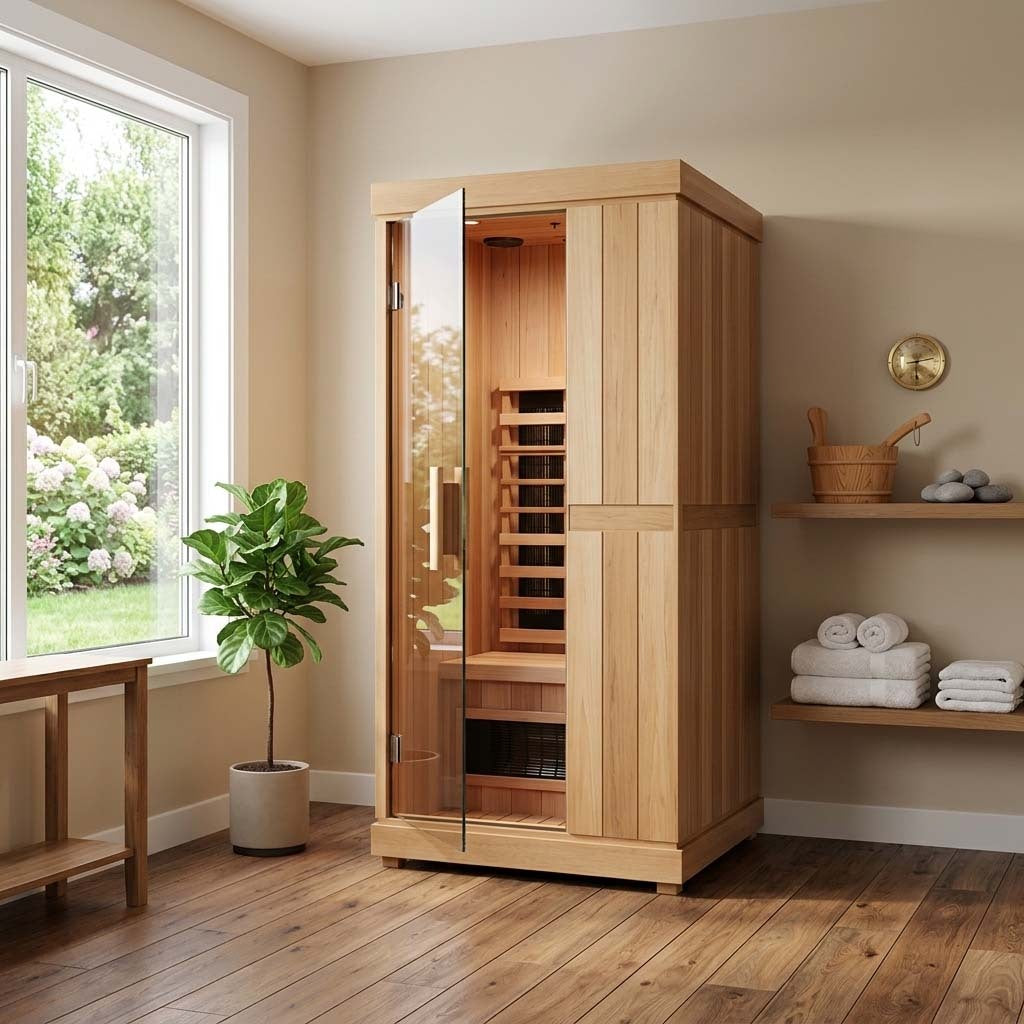
A 1 person sauna is a compact sauna cabin sized for one bather, typically with a footprint between 3x3 and 4x4 feet. It comes in a few types: traditional electric, which heats stones and air for a hot session and lets the bather add water for steam (löyly); steam-capable traditional units that run with more humidity; and infrared, which uses panels to warm the body directly at lower air temperatures.
Personal saunas fit indoors in a bathroom, basement, or spare room, or outdoors as a small cabin or barrel sauna. Most arrive as prefab kits that assemble in a few hours without specialist tools. The right choice depends on the space available, the heat experience wanted, and the wiring a traditional heater requires. SaunaHeaters.com carries 1 person saunas for both indoor and outdoor use across all three heating types.
Note: General wellness benefits such as relaxation and recovery are commonly associated with regular sauna use. Since individual health circumstances vary, anyone who is pregnant or managing a heart condition or other medical issue should seek medical advice before using a sauna.
Understanding a Single Person Sauna
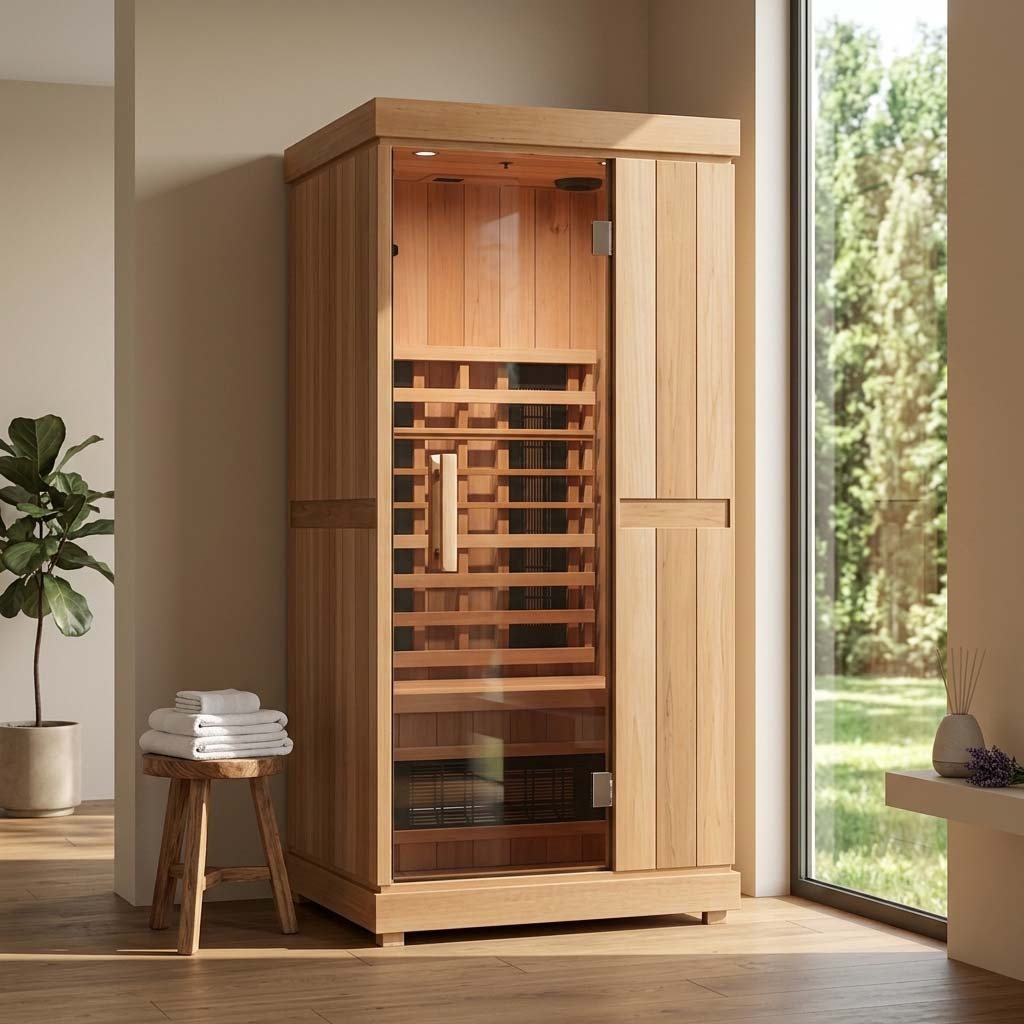
A single person sauna is a one-seat cabin built for solo sessions. It can be portable or permanent, installed indoors or set up outside. The standard footprint ranges from around 3x3 feet for compact infrared units to 4x4 feet or slightly larger for traditional one person saunas. Type and size tend to go together: infrared cabins are generally the smallest, while traditional and steam setups need a little more room for the heater and stones.
Who Should Use a Personal Sauna?
A personal sauna suits solo users who want privacy and the ability to build a regular sauna habit without travelling to a gym or spa. It is also a practical choice for anyone working with limited space. A spare corner in a bathroom or a section of a basement is often enough.
Renters and homeowners setting up a home wellness corner both benefit from the compact footprint and simple setup that most sauna 1 person kits offer.
Best 1 Person Saunas for Home Use
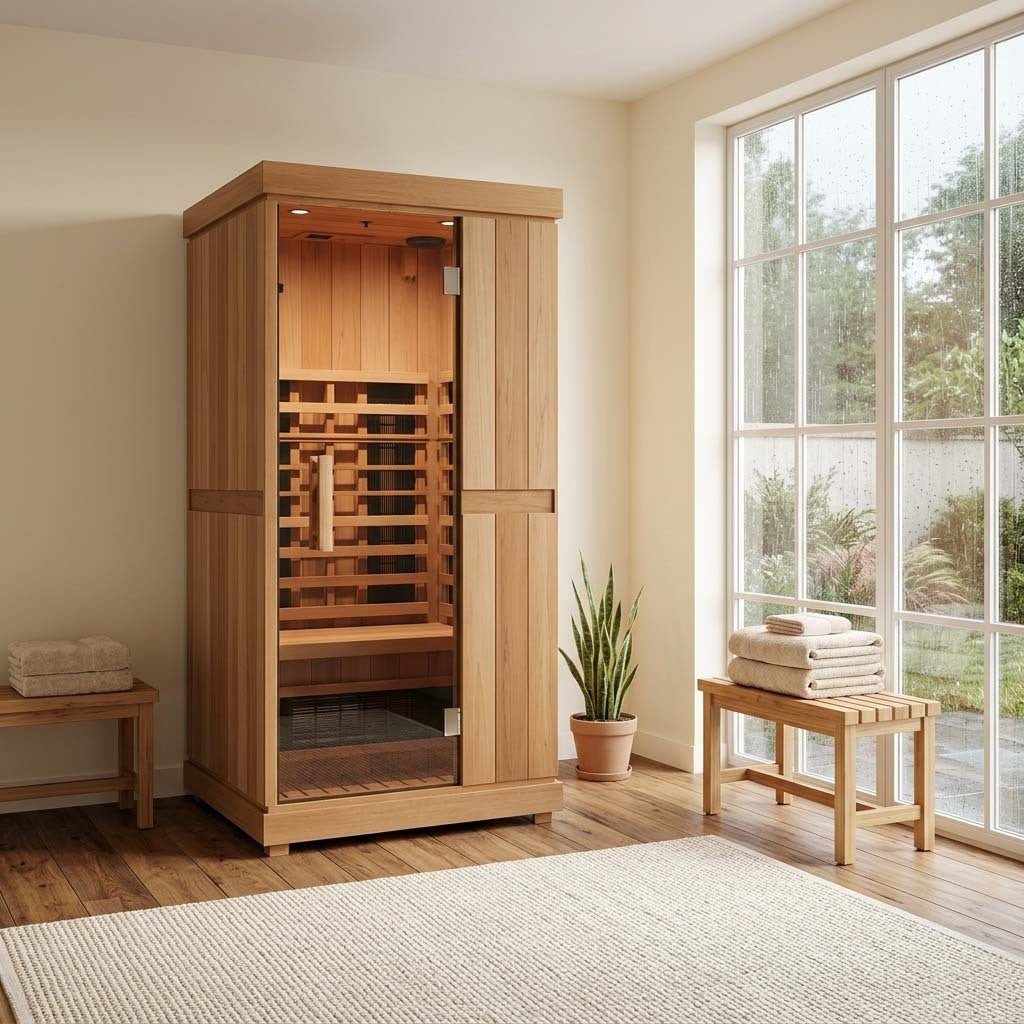
The best 1 person sauna for home use is the one that balances space, comfort, heating performance, and installation requirements to suit your daily routine.
1 Person Home Sauna: What to Look For
The best 1 person sauna for home use is not necessarily the most expensive or feature-packed option; it is the one that best matches the available space, heating preferences, and intended daily use.
A good 1 person home sauna starts with solid low-resin wood such as cedar, hemlock, or aspen, a tempered glass door, ventilation properly sized to the cabin volume, and a heater matched to the room's cubic footage. Prefab assembly should be simple, warranty terms should be honest, and the footprint needs to fit the available space with room for the door to swing.
Single Sauna for Home vs Commercial
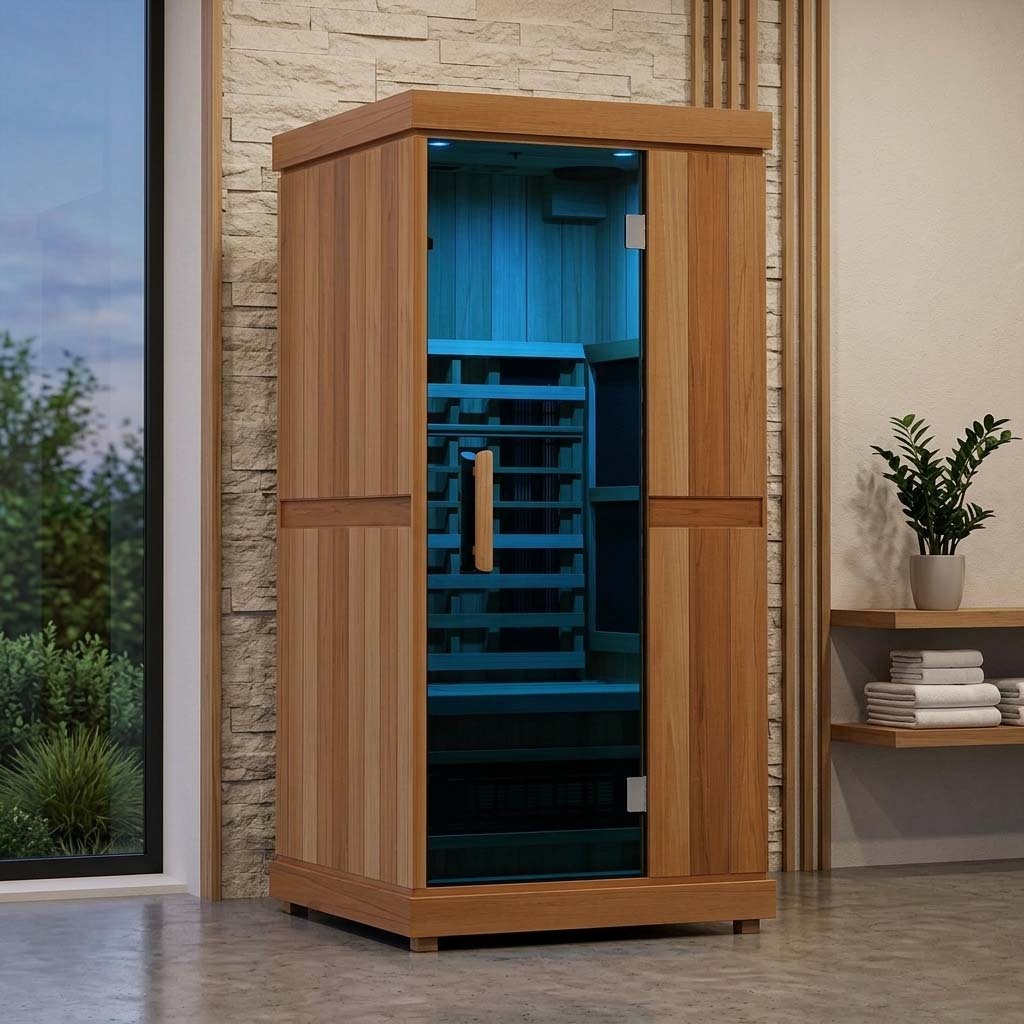
A 1 person sauna can be designed for either residential or commercial use, but the intended setting determines the construction, durability, and regulatory requirements.
- Home: Built for personal daily use in a private residence, with features and capacity suited to individual wellness sessions.
- Commercial: Designed for repeated daily use in commercial settings, including gyms, spas, hotels, and rental properties. These units are built for greater durability, meet applicable building and safety codes, and are the appropriate choice for commercial applications.
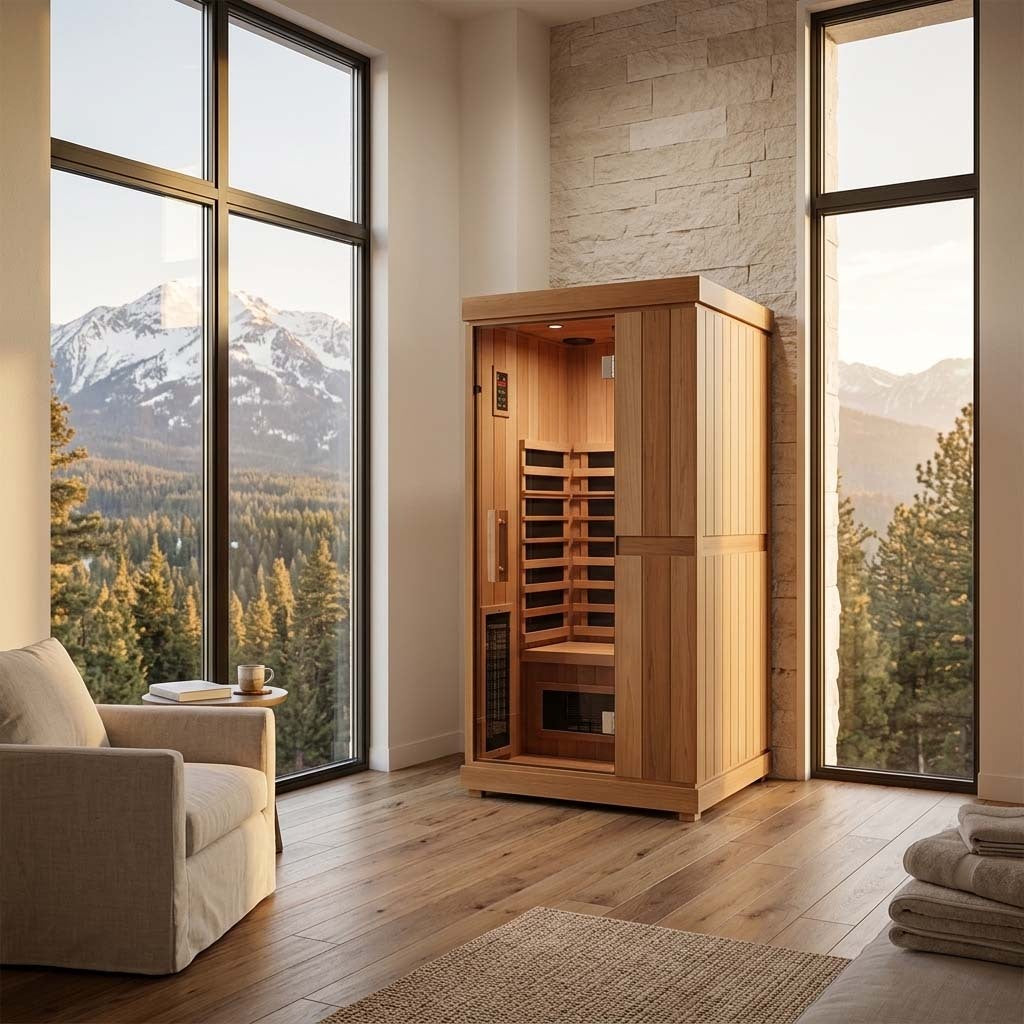
Indoor One Person Sauna Benefits
An indoor one person sauna offers several advantages, making it a practical choice for everyday home wellness:
- Year-round convenience: Enjoy your sauna regardless of the weather outside.
- Easy installation: Fits into existing spaces such as bathrooms, basements, or spare rooms without requiring exterior weatherproofing or a dedicated foundation.
- Simple setup: Many infrared models plug into a standard household outlet and are ready to use with minimal installation.
- Private and comfortable: A single person indoor sauna provides a quiet, climate-controlled space for relaxation whenever it's convenient.
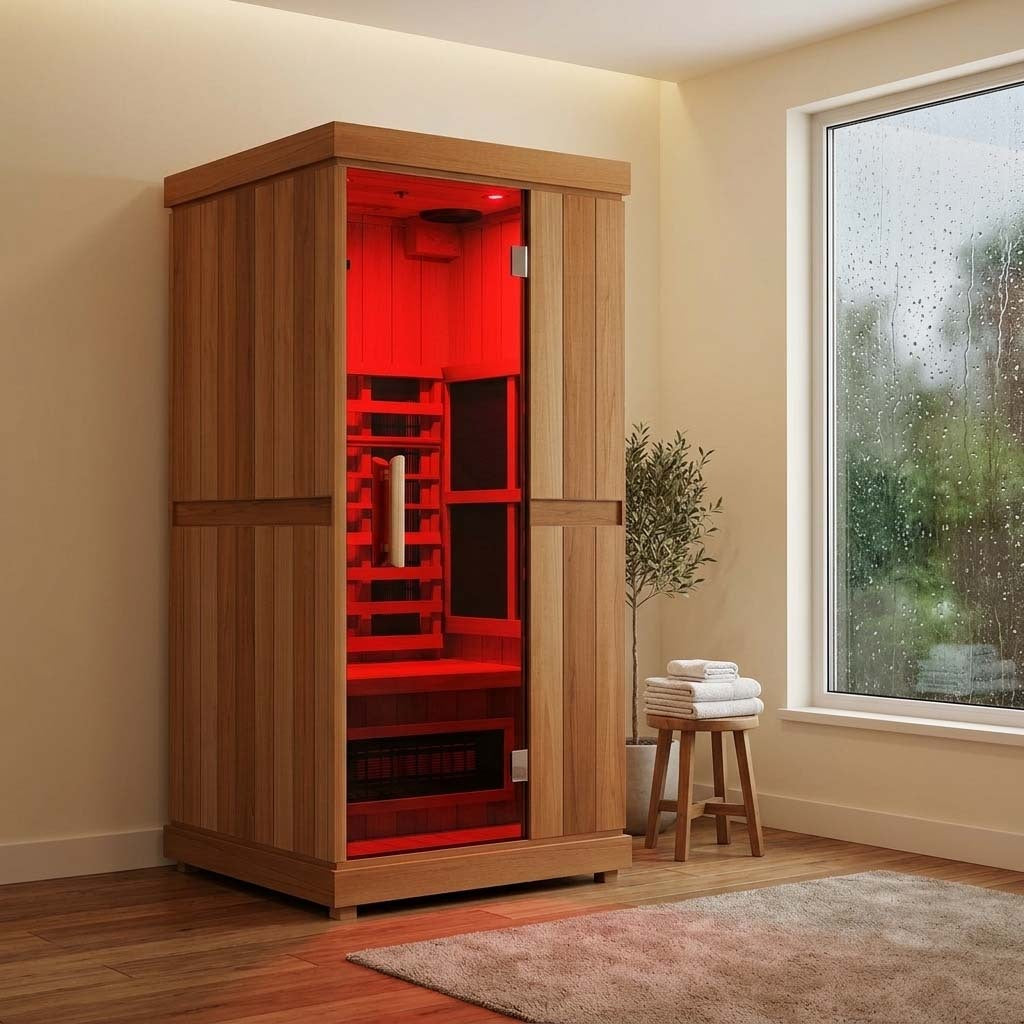
1 Person Sauna Features and Specifications
These specifications play a major role in performance and comfort, making them important factors when comparing sauna models.
1 Person Sauna Dimensions Explained
Most 1 person sauna dimensions fall between a 3x3 foot and 4x4 foot footprint, with infrared units generally sitting at the smaller end and traditional cabins occupying slightly more floor space.
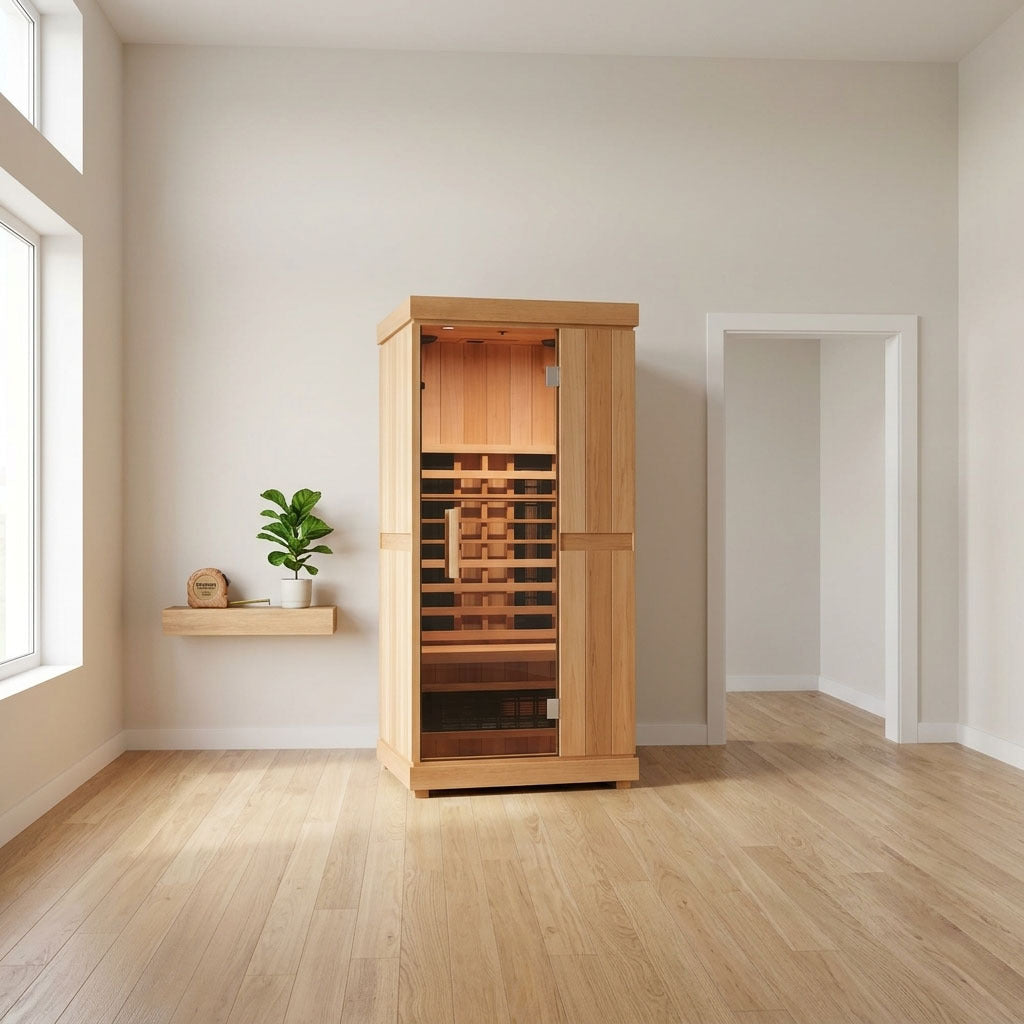
Ceiling height typically runs between six and seven feet. Before purchasing, measure the room the sauna will go into, including the ceiling height, the width of the doorway the panels need to pass through during assembly, and the clearance needed for the cabin door to open fully. These details prevent the most common assembly frustrations.
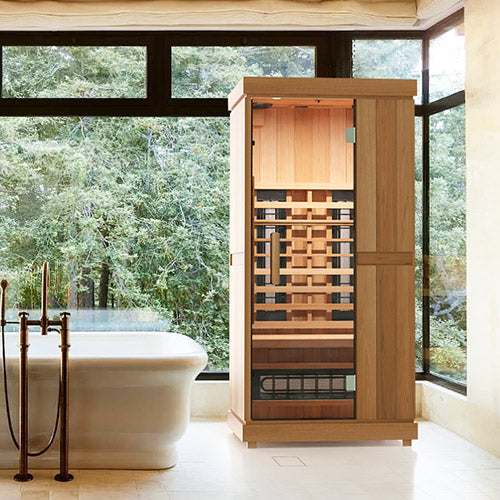
Capacity, Heating Type, and Materials
A 1-person capacity sauna is designed to accommodate one seated bather. Bench depth and whether the cabin includes a footrest or a two-tier bench affect comfort significantly, especially for taller users. Check the bench dimensions on the product page rather than assuming all single-person units are comparable.
Heating is one of the most important spec decisions. Infrared panels warm the body directly and typically run on a standard outlet. Traditional electric and steam heaters run hotter, create the classic sauna experience with löyly, and need a 240V dedicated circuit. Match the heater's output rating to the cabin's cubic footage, as an undersized heater may struggle to reach the desired temperature, while an oversized unit can consume more energy than necessary.
Materials vary across the range. The most common woods are:
- Red cedar: Known for its natural aroma, moisture resistance, and widespread use in both indoor and outdoor sauna construction.
- Hemlock: Dense, stable, and a strong option for those who prefer a lighter appearance without the scent of cedar.
- Aspen: Light in colour, very low in resin, and a good choice for those with sensitivities to stronger wood aromas.
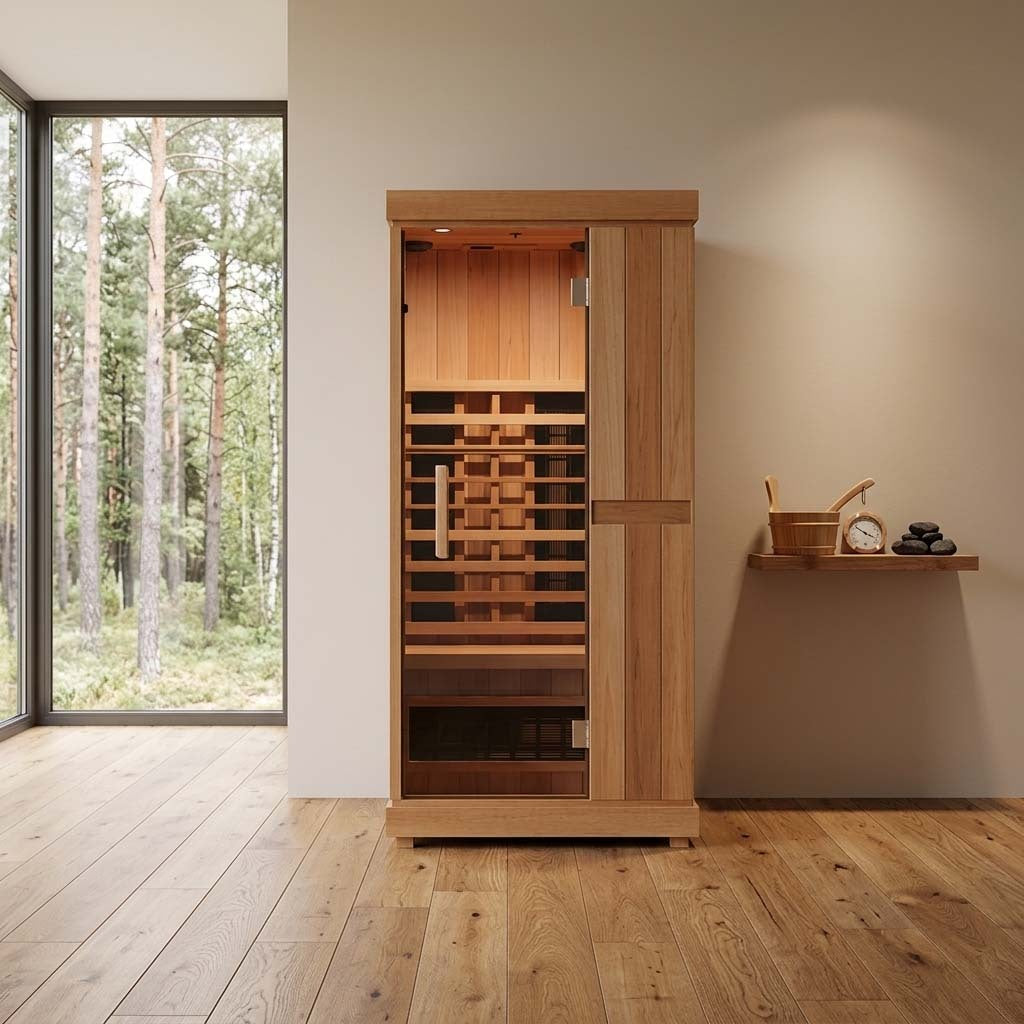
How to Choose the Right Single Person Sauna
Choosing the right sauna 1 person setup comes down to five practical decisions made in order:
- Measure the space first: Footprint, ceiling height, doorway width for assembly, and door swing clearance. Nothing else matters if the unit doesn't fit.
- Pick a heating type: Traditional for the full Finnish experience with löyly, steam if humidity is the priority, or infrared for lower-temperature daily use with easy plug-in setup. The heat experience is different enough between types that this decision shapes everything else.
- Check the wiring: Most infrared units plug into a standard 120V outlet. Traditional heaters need a dedicated 240V circuit installed by a licensed electrician. Know which is available in the space before choosing a unit.
- Weigh comfort and materials: Bench depth, wood type, ventilation design, and glass door size all affect how enjoyable the sessions are. A unit that reaches the right temperature but feels cramped or poorly ventilated won't get used consistently.
- Set a budget that covers the full setup: The unit cost, any electrical work needed, delivery, and accessories such as a ladle, bucket, thermometer, and sauna stones for traditional models. The best one person sauna for home use is the one that's fully set up and ready to use.
Installation and Maintenance
Correct installation and regular maintenance play a key role in keeping a 1 person sauna safe, efficient, and operating reliably for years to come.
Indoor 1 Person Sauna Installation Tips
Install on a flat, sealed surface such as tile, concrete, or vinyl. Confirm the ceiling clearance, floor load, and access to the right outlet or circuit before assembly begins.
Prefab kits typically take one to three hours for one person to assemble. The glass door and back wall panels are usually the heaviest components. Having a second person available for those steps makes the process easier and safer.
A traditional heater's 240V circuit must be installed by a licensed electrician to local code. This is a safety requirement, not a suggestion. Most infrared plug-in models use a standard 120V household circuit and should always be connected directly to a wall receptacle.
Maintenance and Cleaning Tips
Regular maintenance keeps a 1 person sauna performing well and extends its lifespan:
- Wipe benches and backrests after each session with a clean cloth. Sweat left on untreated wood stains over time.
- Allow the sauna to dry thoroughly after use by leaving the door open and giving moisture time to escape.
- Clean interior surfaces with mild, sauna-safe products. Avoid harsh chemicals that can damage the wood or leave residue.
- Check ventilation openings regularly to confirm they are clear and functioning correctly.
- Treat or refinish the wood as the manufacturer advises. Interior surfaces usually need less frequent treatment than exterior ones, but both benefit from periodic attention.
For sauna cleaning products and care accessories, browse the sauna care collection.
FREE SHIPPING - AUTHORIZED DEALER -

Why Choose SaunaHeaters.com for a 1 Person Sauna?
SaunaHeaters.com is a sauna specialist, not a general retailer. Every 1 person sauna in the catalog is chosen for its heat retention, wood quality, and construction standards rather than simply its price. The range covers traditional, steam, and infrared options for both indoor and outdoor use, so there's a match for most spaces and preferences.
Since our site also carries sauna heaters, sauna stones, and accessories, the whole room can be outfitted in one place with components that are confirmed compatible. Not sure which single person sauna suits the space and wiring? Send the room dimensions and heating preference and our team will help narrow it down before the order is placed. Browse the full range of 1 person saunas for sale and find the right setup for the space.
Frequently Asked Questions
How much space does a 1 person sauna need?
How much space does a 1 person sauna need?
Most 1 person sauna dimensions fall between a 3x3 and 4x4 foot footprint, with infrared units generally on the smaller end. Plan for overhead clearance during assembly and enough room beside and in front of the unit for the door to open fully.
What types of 1 person sauna are there?
What types of 1 person sauna are there?
The main types are traditional electric, steam-capable traditional, and infrared. A 1 person traditional sauna runs hot with optional löyly; a one person steam sauna adds more humidity; and a 1 person infrared sauna warms the body directly at lower air temperatures. All three options can be installed in either indoor or outdoor settings.
Can a single person sauna go indoors and outdoors?
Can a single person sauna go indoors and outdoors?
A single person indoor sauna can be installed in a bathroom, basement, or spare room on a sealed floor. A 1 person outdoor sauna requires weather-rated materials, a level base, and a properly rated chimney for wood-fired models.
What should I look for in a 1 person home sauna?
What should I look for in a 1 person home sauna?
A solid low-resin wood such as cedar or hemlock, a tempered glass door, ventilation sized to the cabin volume, a heater matched to the room's cubic footage, and a footprint that fits the available space with room for the door to swing.
Does a 1 person sauna need special wiring?
Does a 1 person sauna need special wiring?
Most plug-in infrared units run on a standard 120V household outlet. Traditional and steam heaters typically need a dedicated 240V circuit, which must be installed by a licensed electrician to local code before the unit is used.
How long does assembly take?
How long does assembly take?
Prefab kits usually take one to three hours for one person. Infrared kits often snap or clip together with minimal tools. Traditional kits may require a drill and an extra pair of hands for the heavier panels and the glass door.
How do I maintain a 1 person sauna?
How do I maintain a 1 person sauna?
Wipe benches after each use, air the cabin out to dry fully, and clean interior surfaces with mild sauna-safe products.
Treat or refinish the wood as the manufacturer advises and check ventilation regularly to keep airflow clear.
Is a home sauna suitable for commercial use?
Is a home sauna suitable for commercial use?
No. A 1 person capacity home sauna is built for personal daily use in a private setting. Commercial installations in gyms, spas, or rental properties require higher-duty builds and must meet local code and safety requirements that home units are not rated for.